


Exploring Data Center Cooling Trends
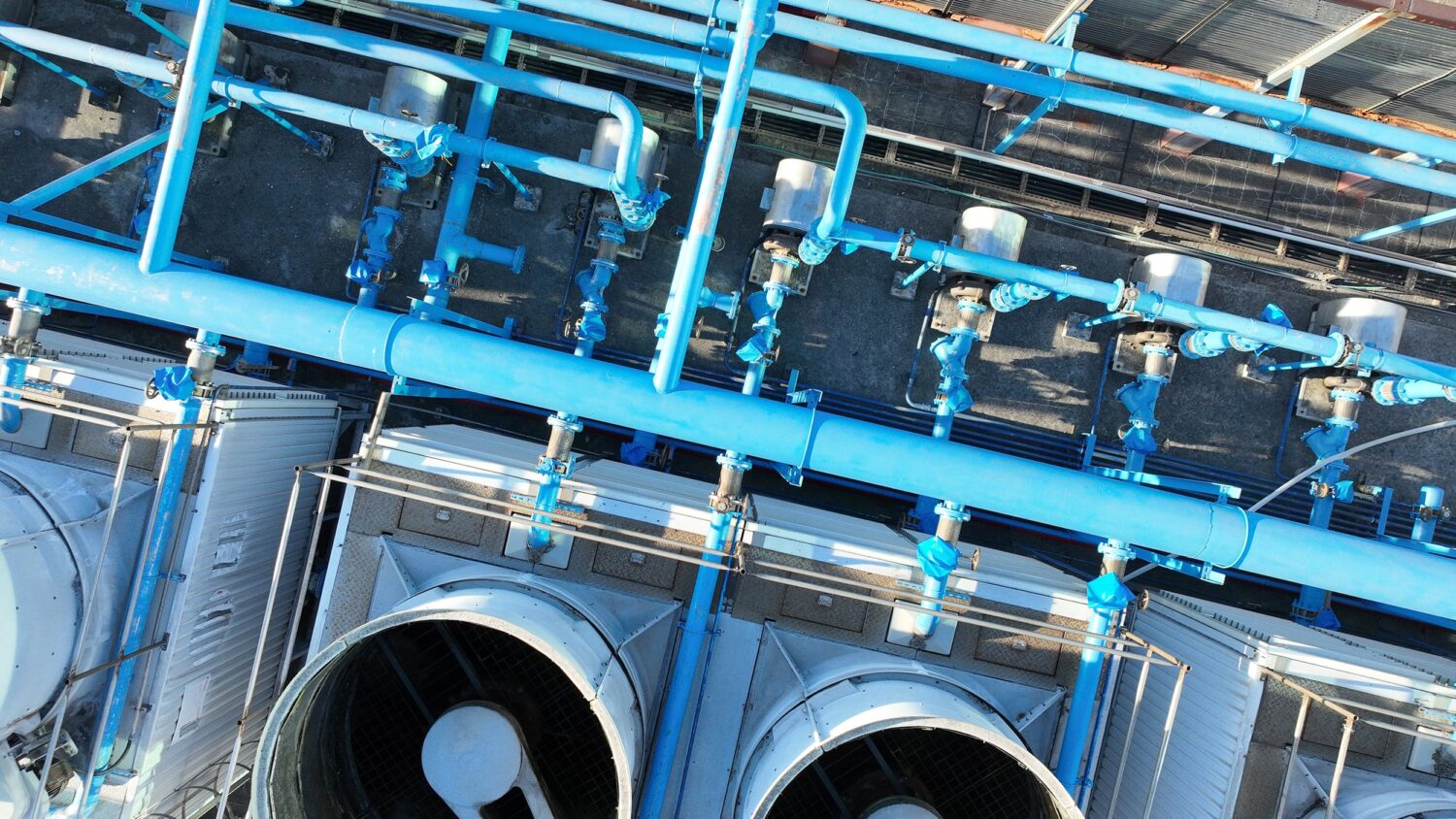
As the world becomes more connected and artificial intelligence algorithms take more control over everyday life, the need for data centers has exploded. These facilities are being built as fast as possible to accommodate the growing demand for processing power needed to keep modern society running as smoothly as possible. Keeping all the infrastructure inside these facilities running as efficiently and effectively as they can means advanced thermal management is required to keep components from overheating.
Although there are many technologies that have been used traditionally to cool computer systems, not all of these are ideal at the scale required in data centers. With the massive thermal requirements in these facilities, some cooling techniques may consume too much energy on their own. That means those technologies do more than elevate costs; they also have a significant environmental impact. Fortunately, the data center cooling industry continues to develop new methods of keeping systems in prime operating conditions.
The Importance of Sustainable Cooling in Data Centers
Due to the often-enormous amount of energy data centers consume already, there is a heightened interest in finding ways to mitigate the ecological footprint of these facilities. Unfortunately, traditional cooling methods such as fans tend to be energy-intensive at the scale required by most modern data centers. Owners and operators need to find sustainable solutions because it means fewer resources are consumed, which has numerous benefits.
First and foremost, greater efficiency means a reduction in operating costs. The less energy data centers and their cooling systems consume, the less operators must spend on utilities. The money they save can be reinvested into the facility to ensure growth and its ability to meet the ever-evolving needs of its customers.
There's also a regulatory component to greater energy efficiency. Data centers are under increasing pressure to meet standards for sustainability and make their operations as green as possible. Without attention to these requirements, data centers are at risk of falling prey to regulatory bodies who may levy fines or other penalties that can prove difficult to overcome.
Becoming a greener facility can also help a data center win over the public. Many people are skeptical of data centers because of the perceived environmental harm they can cause. Companies that invest in more sustainable cooling technologies can receive a reputational boost that can reduce resistance to future plans and enhance the odds of regulatory approval for any projects to come.
Current Data Center Cooling Trends
Data center operators are faced with greater demands for cooling thanks to the increased reliance on these facilities. High-density and edge computing have boosted the need for computing power to such a degree that traditional forms of cooling have proven to be inadequate or too energy-intensive to be deployed at scale.
This is why one of the most important trends right now is the implementation of what is known as free cooling. In this model, compressor-based refrigeration technologies are eschewed in favor of using ambient outdoor air to cool the systems. This can be done either by bringing filtered air from outside the building directly inside to cool the entire facility or by indirectly using it to cool water or air through a heat exchanger. This technique has proven to be especially helpful for data centers located in cooler climates. Compared to refrigerant-based cooling in traditional HVAC systems or cooling towers, free cooling offers better energy efficiency and lower maintenance requirements.
Another trend currently impacting data center cooling is the integration of renewable energy sources. Many data centers have achieved reductions in energy consumption by using solar panels or wind turbines to power their cooling systems. This has the advantage of reducing their reliance on the power grid and preserving resources for others connected to the system.
Advanced Cooling Technologies and Infrastructure
Liquid cooling has been a staple of high-end computing for a while now, and it's no surprise that data centers have adopted the concept to great success. Using water or specialty fluids carried through pipes, these systems carry heat away from chips and other components by making contact with heat sinks. The warmer liquid is carried away from the components to a heat exchanger, which cools the liquid down so it can flow back to the system to begin the process all over again.
Immersion Cooling
A more advanced form of liquid cooling that is beginning to gain prominence in the data center industry is immersion cooling. This process involves submerging circuit boards and other components directly into a non-conductive fluid. This fluid absorbs the heat from components and is then carried to a heat exchanger to be cooled down before repeating the process. In two-stage immersion cooling, the fluid is boiled at low temperatures to convert it to a gas. It is then condensed to cool it down before returning to the components. This system has numerous advantages, such as its ability to cool larger components, provide consistent temperature, and consume less energy than fans or other types of cooling systems.
Emerging Cooling Technologies and Trends
As data centers become more critical for growing technologies such as the Internet of Things and edge computing, operators are turning to new ideas to help meet their thermal management needs.
Perhaps fittingly, many data centers are also turning to AI to help enhance and streamline their cooling systems. Through the use of machine learning algorithms, these AI-enabled cooling systems detect patterns in thermal spikes and automatically adjust their operation cycles to match the need before the need becomes overwhelming. By predicting periods of heavier usage, these systems can ramp up their efforts in anticipation and keep systems cooler while using less energy overall. Without relying on static scheduling, these cooling systems keep a watchful eye on thermal management, so technicians can focus their attention elsewhere.
One trend the industry is watching very closely is the development of legislation that pertains to data center design, construction, and operation. Implementing sustainable advanced cooling methods may be an important piece of how data centers can earn the trust of regulatory bodies and their constituents by demonstrating a commitment to environmental stewardship.
Responsible Data Center Cooling is Possible
Keeping data centers cool without dramatic impacts on ecology and natural resources is coming closer to becoming the norm throughout the industry. This is thanks in large part to the efforts of operators as well as partners who supply the technology needed to make it happen.
Steel & O'Brien does its part to make data center cooling more sustainable and effective with our complete range of stainless steel fittings for liquid cooling systems. We already have extensive expertise in this emerging field, manufacturing fittings designed specifically for data center cooling installations to make them as dependable and effective as they can be. Whether the data center utilizes direct-to-chip cooling, heat exchangers, or immersion cooling, we have the stainless-steel solutions engineered and manufactured to provide the highest levels of performance. Contact a member of our team today to learn more.