


When you’re looking for sanitary sampling valves for stainless steel applications, trust Steel & O’Brien. Sample valves are primarily used for taking representative samples of fluids for testing purposes. Featuring a spring-loaded manual activator, sample valves make it easy for operators to retrieve samples from the line without disrupting production. They can be found in a wide range of industries, including pharmaceuticals, food & beverage, and dairy.
Sanitary Sample Valves
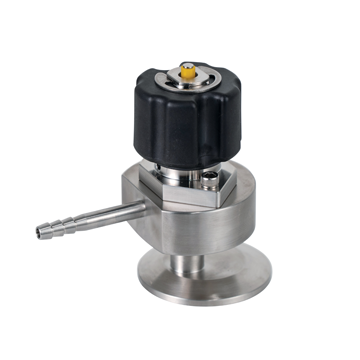
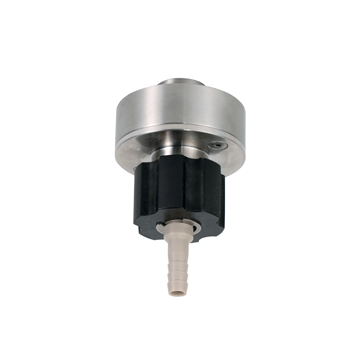
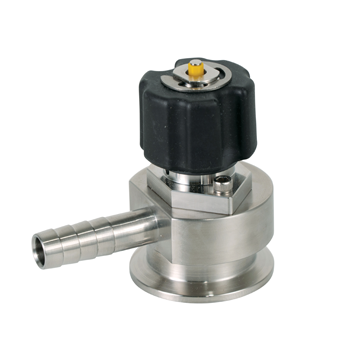
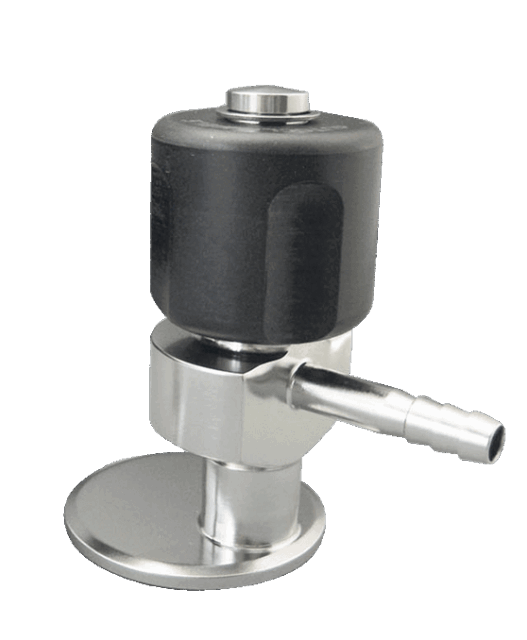
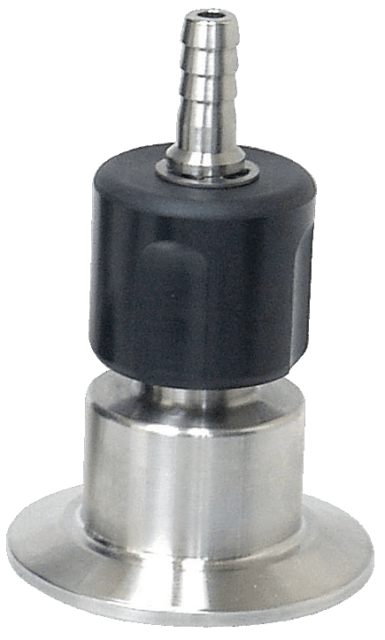
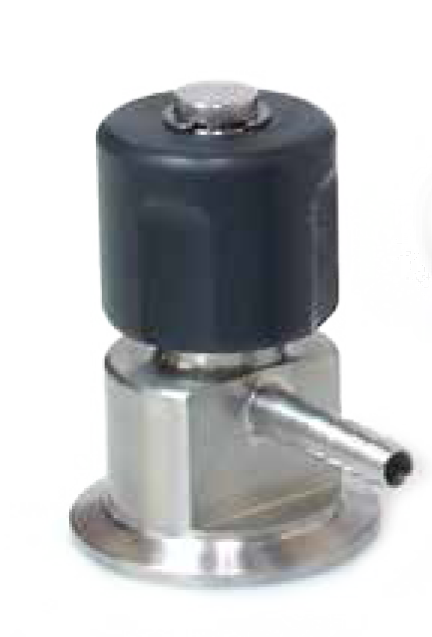
Here you’ll find a wide range of sanitary sampling valves, including right-angle concentric (SVN), right-angle eccentric (EVN) and inline (INN). If you’re unsure which type of valve is best for your specific applications, take a look at this resource or give us a call to speak with one of our helpful and knowledgeable representatives.
Why Choose Steel & O’Brien?
At Steel & O’Brien, we pride ourselves on making sanitary simple and safe with our high-quality materials. Stainless steel sample valves for sanitary purposes must be strong and dependable, and our products fit that description. Our electropolished components are designed and manufactured to meet ASME BPE standards for high-purity applications. On top of that, you also can count on our unparalleled level of service to provide you with the best experience. Rest assured that all our products are fully validated with extensive mechanical and hydrostatic testing to ensure they deliver the performance and durability needed in highly demanding environments.
To learn more about our full range of products, click on any of the links on this page or get in touch with us today.
Frequently Asked Questions
What purpose do sanitary sample valves serve?
Hygienic sample valves provide an easy way for operators to draw samples from the production line for testing without halting operations. This makes them valuable in industries where the purity of the product is essential, such as dairies, food and beverage producers, and pharmaceutical manufacturers.
How are sanitary sampling valves cleaned and sterilized?
Because they fit into clean-in-place systems, sample valves can be flushed using steam or chemical cleaning agents without the need to be removed from the process line. In some cases, particularly in the pharmaceutical sector, smaller valves can be run through an autoclave for sterilization.
When should valve seals or diaphragms be replaced?
How often these components need to be replaced depends on the harshness of the operating environment and exposure to high temperatures or harsh chemicals. Valves should be inspected on a routine basis to ensure all components are in good shape.