

Tri-Clamp Fittings: An Essential Component in Hygienic Processing
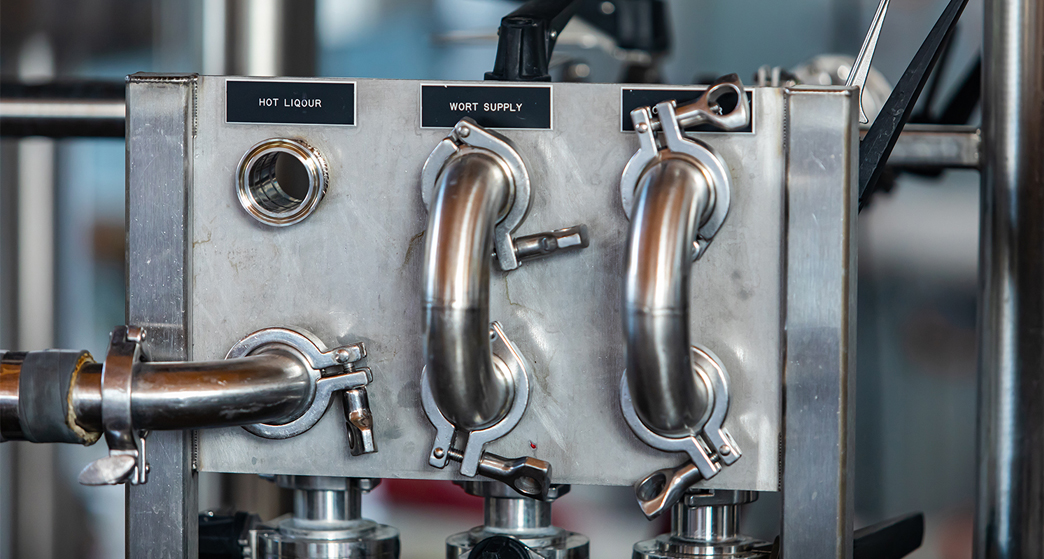
Tri-Clamp sanitary fittings (also called sanitary clamp or tri-clamp connections) are widely used in food, beverage, dairy, biotech, and pharmaceutical piping because they support hygienic, serviceable connections. A Tri-Clamp system uses a three-part clamp to join two components, helping create a tight seal while still allowing faster disassembly for inspection, cleaning, and maintenance.
When Tri-Clamp fittings are specified correctly and maintained on schedule, they can be a low-risk option for contamination control. The key is meeting hygienic design requirements — especially around gasket selection, proper alignment, and ensuring the joint is assembled with the correct clamp force. In regulated environments, teams often align Tri-Clamp assemblies with ASME BPE expectations to support repeatable cleaning results and reduce the chance of residue retention.
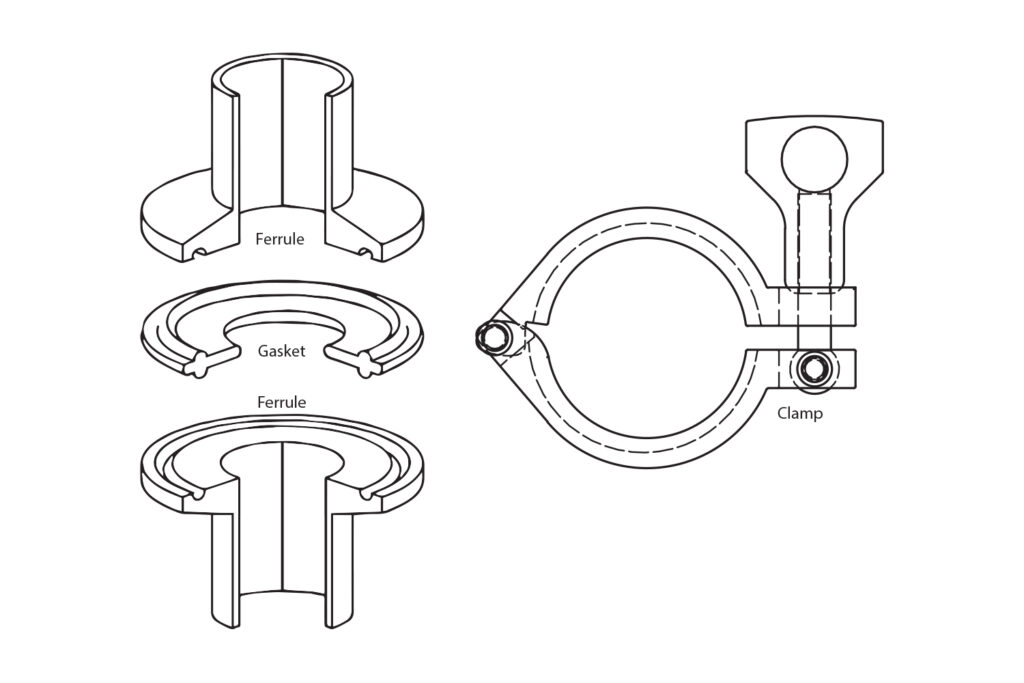
Components of Tri-Clamp Fittings:
- Clamp: The metal band that wraps around the joint and holds everything together. It’s typically made of stainless steel for its corrosion resistance and durability.
- Gaskets: These are placed between the two ferrules to create a tight seal. They are usually made from materials like silicone or EPDM, depending on the application’s requirements.
- Ferrules: These are the flat, circular ends of the pipes or equipment that are clamped together. They have a smooth, polished finish to ensure easy cleaning and prevent contamination.
Advantages:
- Ease of Maintenance: The design allows for quick disassembly, which makes cleaning and maintenance straightforward. This is crucial in sanitary applications.
- Versatility: Tri-Clamp fittings are available in a range of sizes and materials, making them suitable for various applications and systems.
- Leak-Proof Seal: The combination of clamps and gaskets provides a reliable seal that prevents leaks, which is essential for maintaining the integrity of sanitary processes.
- Durability: Made from high-quality stainless steel, these fittings are resistant to corrosion and high temperatures, making them durable and long-lasting. Regular cleaning and inspection helps maintain their effectiveness and longevity.
To keep Tri-Clamp connections hygienic over time, follow practical maintenance best practices:
- Use the right gasket material for the process and cleaning chemistry, and replace gaskets at defined intervals.
- Inspect sealing surfaces for nicks, wear, or deformation that could compromise the seal.
- Verify correct installation (alignment and clamp tightening) to avoid uneven compression and micro-leak paths.
- Clean and sanitize the joint thoroughly, including gasket contact areas, and document sanitation performance when required.
With the right requirements and disciplined maintenance practices, Tri-Clamp fittings can help teams maintain sanitary performance while improving access for cleaning validation and routine upkeep.
When you’re using hygienic clamp connections (such as Tri-Clamp) but still want the benefits of a controlled, low-contamination joining method, BPE weld ferrules can be a smart hybrid choice. In practice, these are most useful when the clamp connection is part of a system that also includes welded runs — so you can standardize on BPE fittings for the product-contact side while keeping the clamp for serviceability.
Consider using BPE weld ferrules with clamp connections when:
- You need a consistent, repeatable weld fitting on the fixed piping side (supporting easier cleaning and reducing contamination risk).
- The system design calls for BPE fittings and ASME BPE-aligned geometry, but you still want quick disassembly at specific points.
- You’re connecting to equipment or manifolds where a weld fittings interface improves alignment and internal surface continuity.
- Your validation or compliance requirements favor documented, hygienic construction for the wetted connection area.
In short, BPE weld ferrules let you combine the service access of hygienic clamp connections with the hygienic joining advantages of weld fittings — helping teams maintain sanitary performance without sacrificing maintenance flexibility.
Whether you're designing a new hygienic processing system, upgrading existing equipment, or standardizing components across your facility, selecting the right Tri-Clamp fittings is critical to long-term performance, cleanability, and regulatory compliance. The right combination of fitting design, material, gasket, and installation practices can help improve reliability while reducing maintenance challenges and contamination risk.
Steel & O'Brien manufactures a complete line of precision-engineered Tri-Clamp sanitary fittings in 304 and 316L stainless steel, with sizes available up to 12 inches. From standard fittings to custom-engineered solutions, our team works with food, beverage, dairy, pharmaceutical, and biotechnology manufacturers to specify components that meet the demands of their process.
If you're evaluating a new application or have questions about selecting the right sanitary fitting for your system, contact the Steel & O'Brien team at sales@steelobrien.com. We're here to help you identify the best solution for your process and performance requirements.